
Introduction
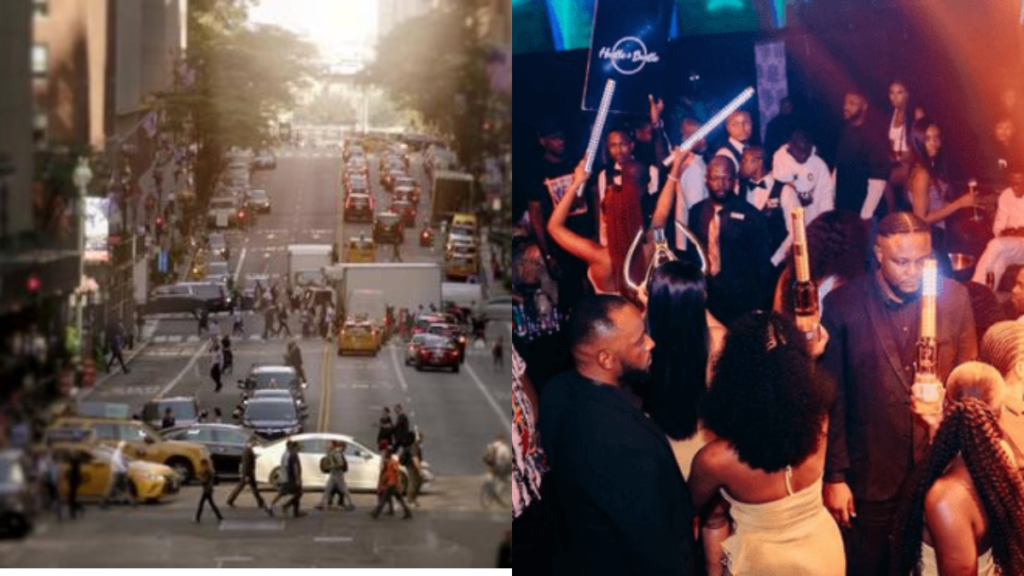
The phrase hustle and bustle is often used to describe the constant movement, activity, noise, and energy that define modern life. Whether it is the crowded streets of New York City, the busy schedules of professionals, or the fast-paced rhythm of daily routines, the hustle and bustle of contemporary society affects nearly everyone. For some people, it represents opportunity, excitement, and ambition. For others, it can lead to stress, burnout, and a desire for a slower lifestyle.
In today’s connected world, the hustle and bustle extends far beyond physical locations. Smartphones, social media, remote work, and digital communication mean that activity follows us everywhere. Understanding how this fast-moving environment influences our productivity, happiness, relationships, and health is essential. This guide explores the meaning, benefits, challenges, and long-term impact of the hustle and bustle while providing practical insights for thriving in a busy world.
What Does Hustle and Bustle Mean?
The term hustle and bustle refers to a state of energetic activity, movement, and busy action. It is commonly associated with cities, workplaces, shopping districts, transportation hubs, and any environment where people are constantly engaged in tasks and interactions. The phrase captures the feeling of a world that never seems to slow down.
Historically, the expression developed as a way to describe crowded and lively environments. Today, its meaning has expanded to include modern lifestyles characterized by packed schedules, multitasking, and continuous engagement. When people talk about escaping the hustle and bustle, they usually mean taking a break from demanding routines and seeking peace or relaxation. Conversely, when they embrace the hustle and bustle, they often associate it with ambition, progress, and personal achievement.
Why the Hustle and Bustle Defines Modern Society
Modern society operates at a pace that previous generations could scarcely imagine. Technological innovation has accelerated communication, transportation, commerce, and information sharing. As a result, people are expected to respond quickly, adapt rapidly, and remain productive in increasingly competitive environments. The hustle and bustle has become a defining characteristic of daily life across many industries and communities.
Economic growth and globalization have further intensified this trend. Businesses operate around the clock, markets react instantly to events, and consumers expect immediate access to products and services. While these developments create opportunities, they also contribute to a culture where slowing down can feel difficult. Understanding this reality helps explain why discussions about work-life balance and mental wellness have become so important.
The Positive Side of the Hustle and Bustle
Despite its challenges, the hustle and bustle offers significant advantages. Fast-paced environments often encourage innovation, creativity, and ambition. People living in energetic cities or working in dynamic industries frequently encounter opportunities to learn new skills, expand professional networks, and advance their careers. This constant activity can fuel personal growth and inspire individuals to pursue meaningful goals.
Many entrepreneurs and business leaders thrive in busy settings because they enjoy the energy and momentum. The hustle and bustle can create a sense of purpose and accomplishment when individuals see tangible results from their efforts. In addition, vibrant communities often benefit from economic development, cultural diversity, and increased access to education, entertainment, and professional opportunities.
How the Hustle and Bustle Affects Mental Health
While a busy lifestyle can be rewarding, it also presents challenges for mental health. Constant demands, deadlines, notifications, and responsibilities can contribute to stress and anxiety. Many people struggle to disconnect from work or social obligations, leading to mental fatigue and emotional exhaustion. The pressure to remain productive at all times can create unrealistic expectations and reduce overall well-being.
Research consistently shows that chronic stress affects mood, concentration, sleep quality, and physical health. The hustle and bustle becomes problematic when individuals neglect self-care, relaxation, and recovery. Recognizing the signs of burnout is essential for maintaining long-term mental health. Small changes, such as setting boundaries and prioritizing downtime, can make a significant difference.
The Connection Between Urban Life and the Hustle and Bustle
Cities are often considered the ultimate symbol of hustle and bustle. Urban centers attract millions of people seeking employment, education, entertainment, and economic opportunities. The crowded streets, busy public transportation systems, and constant activity create an atmosphere that many find exciting and inspiring. Major metropolitan areas frequently serve as hubs of innovation and cultural exchange.
At the same time, urban living can amplify the challenges associated with a fast-paced lifestyle. Noise pollution, traffic congestion, high living costs, and limited personal space can increase stress levels. Many city residents actively seek ways to create balance through parks, fitness activities, social connections, and wellness practices. Learning to navigate urban environments effectively is an important skill in the modern world.
How Technology Fuels the Hustle and Bustle
Technology has transformed the way people work, communicate, and manage their lives. Smartphones, laptops, cloud computing, and social media platforms enable instant connectivity. While these tools improve efficiency and convenience, they also contribute to the feeling that life is always in motion. Notifications, emails, and messages can create a sense of urgency that follows people throughout the day.
The digital economy has blurred the boundaries between work and personal life. Employees can respond to tasks from anywhere, while businesses can operate continuously across multiple time zones. This connectivity has advantages, but it also increases the risk of digital overload. Developing healthy technology habits is increasingly important for managing the effects of the hustle and bustle in the modern era.
Why People Sometimes Seek an Escape
The desire to escape the hustle and bustle is a common theme in modern culture. Many people dream of vacations, nature retreats, small-town living, or quiet weekends away from their normal routines. These experiences provide opportunities to recharge mentally and physically while gaining perspective on what truly matters.
Escaping does not necessarily mean abandoning ambition or responsibility. Instead, it often involves creating intentional moments of rest and reflection. Activities such as hiking, reading, meditation, spending time with family, or enjoying outdoor spaces can help counterbalance the demands of a busy lifestyle. These practices remind people that productivity and well-being are not mutually exclusive.
Finding Balance in a Fast-Paced World
Achieving balance within the hustle and bustle requires conscious effort. Many successful individuals recognize that sustainable performance depends on managing energy rather than simply maximizing activity. Prioritizing important tasks, maintaining healthy routines, and setting realistic expectations can reduce unnecessary stress and improve overall effectiveness.
Balance also involves recognizing personal values and goals. Some people thrive in highly active environments, while others prefer slower, more deliberate lifestyles. Understanding individual preferences allows people to make choices that align with their well-being. Rather than viewing the hustle and bustle as inherently good or bad, it is more helpful to consider how it affects each person’s quality of life.
The Future of the Hustle and Bustle
As technology continues evolving, the nature of the hustle and bustle will likely change. Artificial intelligence, automation, remote work, and digital collaboration tools are reshaping industries and daily routines. Some experts predict that these innovations could reduce certain forms of busy work, allowing people to focus on higher-value activities.
However, new technologies may also introduce additional expectations and complexities. The challenge for future generations will be learning how to leverage innovation without sacrificing mental health, personal relationships, and overall happiness. Understanding the lessons of today’s fast-paced world can help individuals navigate whatever changes lie ahead.
Building Healthy Habits Amid the Hustle and Bustle
One of the most effective ways to manage the hustle and bustle of daily life is by developing healthy habits that provide stability and structure. Habits reduce decision fatigue and help individuals maintain consistency even during busy periods. Regular exercise, balanced nutrition, quality sleep, and mindfulness practices create a strong foundation for physical and mental well-being. These habits act as protective factors against the stress and unpredictability that often accompany modern lifestyles.
Healthy routines also improve productivity and resilience. People who prioritize wellness are often better equipped to handle challenges, meet deadlines, and adapt to changing circumstances. Rather than viewing self-care as a luxury, successful professionals increasingly recognize it as a necessity. By integrating wellness into daily routines, individuals can remain energized and focused while navigating the demands of a fast-paced environment.
Another important habit involves time management. Creating schedules, setting priorities, and limiting distractions can help people gain greater control over their days. While the hustle and bustle may never disappear completely, thoughtful planning makes it easier to manage responsibilities without feeling overwhelmed. Small adjustments can produce significant improvements in both efficiency and overall satisfaction.
In addition, maintaining meaningful relationships is essential. Friends, family members, and supportive communities provide emotional support during stressful times. Social connections help people maintain perspective and remind them that success is not measured solely by productivity. Balancing achievement with human connection creates a more fulfilling and sustainable lifestyle.
The Role of Work-Life Balance in Modern Living
Work-life balance has become one of the most discussed topics in conversations about the hustle and bustle. As workplaces evolve and technology increases connectivity, many individuals struggle to separate professional responsibilities from personal life. This challenge is particularly common among remote workers, entrepreneurs, and professionals in demanding industries where expectations can extend beyond traditional working hours.
Achieving work-life balance does not necessarily mean dividing time equally between work and personal activities. Instead, it involves creating a healthy relationship between different areas of life. Individuals who establish clear boundaries often experience higher levels of satisfaction, reduced stress, and improved overall health. They can dedicate focused attention to work while still preserving time for family, hobbies, and relaxation.
Organizations are increasingly recognizing the value of supporting employee well-being. Flexible schedules, wellness programs, mental health resources, and remote work options are becoming more common. These initiatives acknowledge that sustainable productivity depends on maintaining healthy employees rather than encouraging constant overwork. Businesses that support balance often benefit from increased engagement and reduced turnover.
At a personal level, balance requires intentional decision-making. Individuals must regularly evaluate their priorities and adjust their schedules accordingly. The hustle and bustle can easily consume available time, making it important to identify activities that genuinely contribute to happiness and fulfillment. Choosing quality over quantity often leads to more meaningful experiences and better long-term outcomes.
Lessons We Can Learn from the Hustle and Bustle
The hustle and bustle of modern life offers valuable lessons about ambition, resilience, adaptability, and personal growth. Fast-paced environments often push people beyond their comfort zones, encouraging them to develop new skills and discover strengths they may not have realized they possessed. These experiences can build confidence and create opportunities for advancement in both personal and professional settings.
At the same time, the challenges associated with constant activity teach important lessons about balance and self-awareness. Many individuals eventually realize that success is not solely defined by achievement or financial gain. True fulfillment often involves maintaining physical health, nurturing relationships, and pursuing meaningful goals that align with personal values. These insights become increasingly important as people navigate different stages of life.
The hustle and bustle also highlights the importance of adaptability. Economic shifts, technological innovations, and changing social expectations require continuous learning and flexibility. Those who embrace change while remaining grounded in their values are often best positioned to thrive. This combination of adaptability and purpose helps individuals remain resilient in the face of uncertainty.
Ultimately, the most important lesson may be that every person must define success for themselves. Some individuals thrive in energetic urban environments and demanding careers, while others find happiness in simpler, slower-paced lifestyles. Understanding personal priorities allows people to make choices that support their unique vision of a successful and meaningful life.
Conclusion
The hustle and bustle is more than a simple phrase. It represents the energy, movement, opportunity, and challenges that define modern living. From crowded city streets and fast-growing businesses to digital communication and global connectivity, the hustle and bustle shapes how people work, interact, and pursue their goals. For many individuals, it provides excitement, ambition, and pathways to success.
At the same time, constant activity can create stress, fatigue, and a sense of imbalance if not managed carefully. Understanding the benefits and drawbacks of a fast-paced lifestyle is essential for maintaining long-term well-being. By developing healthy habits, prioritizing work-life balance, and creating intentional moments of rest, individuals can enjoy the advantages of modern life without sacrificing their health or happiness.
As technology and society continue evolving, the hustle and bustle will likely remain a defining feature of daily life. The key is not necessarily escaping it altogether but learning how to navigate it effectively. Those who find balance between productivity and well-being are often the ones who achieve lasting success. In the end, the hustle and bustle becomes most rewarding when it serves a life filled with purpose, connection, and fulfillment.
FAQs
What does hustle and bustle mean?
The phrase hustle and bustle refers to a busy, energetic environment filled with activity, movement, and noise. It is commonly used to describe city life, crowded workplaces, shopping districts, or any setting where people are actively engaged in various tasks. In modern contexts, it can also describe fast-paced lifestyles characterized by packed schedules, digital communication, and constant productivity demands. While some people enjoy the excitement associated with the hustle and bustle, others may seek occasional breaks to recharge and maintain balance.
Why do people use the phrase hustle and bustle?
People use the phrase hustle and bustle to describe environments or lifestyles that are lively, busy, and full of movement. It captures the feeling of being surrounded by ongoing activity and interaction. The expression is often associated with urban life, business districts, transportation hubs, and modern work culture. It can have both positive and negative meanings depending on the context, representing either excitement and opportunity or stress and overcrowding.
Is the hustle and bustle of city life good or bad?
The answer depends on individual preferences and circumstances. For some people, the hustle and bustle of city life provides access to career opportunities, entertainment, education, and cultural experiences. Others may find the fast pace overwhelming and prefer quieter environments. Many people appreciate the advantages of urban living while also seeking balance through relaxation, recreation, and time spent in nature. Ultimately, whether it is viewed positively or negatively often depends on personal lifestyle goals.
How can I cope with the hustle and bustle of daily life?
Managing the hustle and bustle effectively involves prioritizing self-care, setting boundaries, and maintaining healthy routines. Regular exercise, quality sleep, mindfulness practices, and effective time management can help reduce stress and improve resilience. Limiting unnecessary distractions and creating dedicated periods for relaxation are also valuable strategies. By focusing on what truly matters and avoiding constant multitasking, individuals can navigate busy schedules more successfully while protecting their mental and physical well-being.
Why do people want to escape the hustle and bustle?
Many people seek temporary escapes from the hustle and bustle because continuous activity can lead to stress and mental fatigue. Vacations, outdoor activities, meditation, and spending time with loved ones provide opportunities to recharge and regain perspective. Escaping does not necessarily mean abandoning responsibilities. Instead, it often involves creating space for rest, reflection, and personal enjoyment. These experiences help individuals return to their daily routines with renewed energy and focus.
How will technology affect the future hustle and bustle?
Technology will continue shaping the hustle and bustle in significant ways. Advances in artificial intelligence, automation, and digital communication may increase efficiency while also creating new expectations and responsibilities. Remote work and flexible schedules could reduce some traditional pressures while introducing different challenges related to connectivity and work-life balance. As technology evolves, individuals and organizations will need to develop strategies that maximize benefits while minimizing stress and digital overload.
Read More About: dailynwes.blog