
Introduction
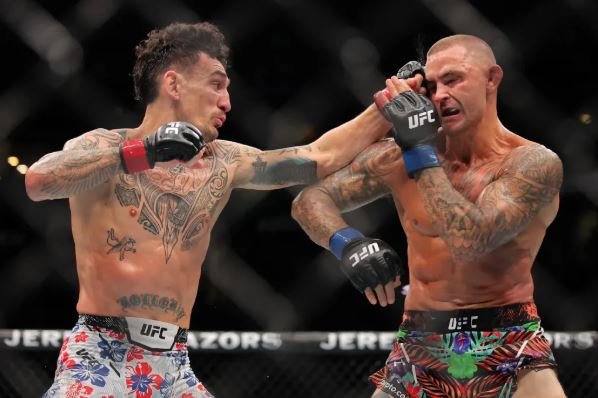
The excitement surrounding UFC 318 has rapidly grown among mixed martial arts fans across the United States and around the world. Every UFC pay-per-view event carries enormous anticipation, but certain cards generate even greater attention because of championship implications, rivalries, rising contenders, and unforgettable matchups. UFC events are more than sports competitions. They are global entertainment spectacles combining athleticism, storytelling, strategy, and emotional intensity inside one of the world’s fastest-growing combat sports organizations.
Modern mixed martial arts has evolved dramatically over the past two decades. What once existed as a niche combat competition has transformed into a billion-dollar global industry followed by millions of passionate fans. UFC pay-per-view cards consistently attract attention from sports media, betting communities, social media platforms, and mainstream entertainment audiences. The anticipation surrounding UFC 318 reflects how deeply MMA culture has become embedded in modern sports entertainment.
Fans are drawn to UFC events because each fight tells a unique story. Some athletes compete to defend championship legacies, while others fight to revive careers or prove themselves among elite competition. The unpredictable nature of mixed martial arts creates emotional investment unlike many traditional sports because a single moment can completely change the outcome of a fight. One knockout punch, submission attempt, or tactical adjustment may alter careers permanently.
The growing interest in UFC 318 also demonstrates the sport’s ability to connect different generations of fans. Hardcore MMA analysts examine technical matchups and fighting styles, while casual viewers enjoy the drama, intensity, and personalities involved. As fight night approaches, conversations surrounding rankings, predictions, rivalries, and championship implications continue dominating sports media and online discussions.
The Growing Popularity of UFC Worldwide
The Ultimate Fighting Championship has become one of the most influential organizations in modern sports entertainment. Over the years, MMA evolved from a controversial competition into a globally respected athletic discipline followed by millions of viewers internationally. Fighters from different martial arts backgrounds now compete under highly structured professional regulations that emphasize skill, discipline, and elite athletic preparation.
The UFC’s popularity increased significantly because of its ability to combine competition with storytelling. Unlike many sports leagues where teams dominate narratives, UFC focuses heavily on individual athletes and personal journeys. Fans connect emotionally with fighters overcoming injuries, personal struggles, training sacrifices, and career setbacks while pursuing championship success inside the octagon.
Digital media also accelerated MMA growth dramatically. Social media platforms allow fans direct access to fighters through interviews, training footage, podcasts, and promotional content. This accessibility creates stronger emotional engagement between athletes and audiences. Viral knockouts, press conferences, and dramatic weigh-ins frequently trend online and introduce new viewers to the sport.
Events like UFC 318 continue benefiting from this global momentum. MMA now attracts audiences from North America, South America, Europe, Asia, Africa, and the Middle East. International stars have transformed UFC into a worldwide brand capable of filling arenas and generating enormous pay-per-view revenue across multiple continents simultaneously.
The Importance of UFC Pay-Per-View Events
Pay-per-view events represent the biggest stages in professional mixed martial arts. These cards often feature championship fights, top contenders, and highly anticipated rivalries that attract mainstream media coverage and major audience interest. Unlike weekly fight nights, pay-per-view cards are promoted as premium entertainment experiences designed to showcase elite talent and unforgettable moments.
The structure of a UFC pay-per-view card plays an important role in building excitement. Preliminary fights introduce rising prospects and exciting stylistic matchups, while the main card gradually increases intensity leading toward headline events. Fans spend entire evenings invested emotionally in the progression of fights and storylines unfolding live.
Financially, pay-per-view events are essential for both the UFC and fighters. Successful cards generate millions of dollars through ticket sales, broadcasting rights, sponsorships, merchandise, and streaming purchases. Fighters competing on major cards often receive greater exposure, improved sponsorship opportunities, and career advancement depending on performance outcomes.
The anticipation surrounding UFC 318 reflects the importance these events hold within combat sports culture. Fans expect dramatic moments, elite athletic performances, and potentially career-defining victories. Every pay-per-view becomes part of MMA history, contributing to ongoing discussions about rankings, legacies, and future title opportunities.
The Evolution of Modern MMA Fighters
Modern UFC athletes are far more complete and technically advanced than fighters from earlier eras of mixed martial arts. In the sport’s early years, competitors often specialized heavily in one discipline such as boxing, wrestling, Brazilian jiu-jitsu, or kickboxing. Today’s elite fighters must master multiple areas simultaneously to remain competitive at the highest level.
Training camps now involve highly specialized coaching teams focused on striking, grappling, strength conditioning, nutrition, recovery, and mental preparation. Fighters analyze opponents using advanced video breakdowns and strategic planning designed to exploit weaknesses inside the octagon. Athletic preparation has become increasingly scientific and data-driven.
The physical demands of MMA also require extraordinary discipline and sacrifice. Fighters endure grueling training schedules involving sparring sessions, cardio conditioning, technical drills, and weight cutting. Injuries are common, making recovery and long-term health management critical components of career longevity in professional combat sports.
UFC 318 highlights this modern evolution because fans now expect complete athletes capable of adapting during unpredictable fight situations. Champions and contenders alike must combine intelligence, toughness, versatility, and technical precision to succeed against world-class competition inside the cage.
Rivalries and Storylines That Build UFC Excitement
One reason UFC events captivate audiences so effectively is because rivalries create emotional investment far beyond athletic competition alone. Fighters often carry personal histories, conflicting personalities, or championship ambitions into the octagon, giving audiences compelling narratives to follow before fight night even begins.
Press conferences, interviews, and social media interactions frequently intensify these rivalries. Some fighters use psychological tactics to gain mental advantages, while others genuinely dislike their opponents due to past conflicts or disrespectful comments. These tensions help build anticipation and increase public interest surrounding major fights.
Not every rivalry depends on hostility, however. Respectful competitive storylines can also attract fans, especially when elite athletes seek to prove themselves against equally talented opponents. In these situations, audiences become fascinated by strategic matchups and questions surrounding which fighting style will ultimately prevail.
The buildup surrounding UFC 318 demonstrates how storytelling remains central to MMA’s popularity. Fans enjoy not only the fights themselves but also the emotional context leading into competition. These narratives transform sporting events into dramatic entertainment experiences filled with suspense, pressure, and unpredictable outcomes.
Training Camps and Fighter Preparation
Training camps are among the most demanding periods in a professional fighter’s career. Preparing for elite competition requires months of physical conditioning, technical development, and mental focus. Fighters must sharpen every aspect of their skill set while studying opponents carefully to develop effective strategies.
Strength and conditioning programs play a massive role in modern MMA preparation. Fighters train explosiveness, endurance, flexibility, and recovery to maintain peak athletic performance throughout grueling rounds inside the octagon. Nutrition and hydration management become equally important, especially during difficult weight cuts leading into official weigh-ins.
Mental preparation is another critical component of fight camps. Fighters face enormous pressure entering high-profile events because careers and reputations may change dramatically depending on results. Visualization techniques, sports psychology, and disciplined focus help athletes manage stress and maintain confidence under intense public scrutiny.
The road toward UFC 318 likely involves months of sacrifice and preparation for every athlete competing on the card. Fans often see only the final performance inside the cage, but each fight represents countless hours of training, recovery, discipline, and emotional commitment behind the scenes.
The Role of Fans in UFC Culture
Fans play an enormous role in shaping UFC culture and the overall atmosphere surrounding major events. MMA audiences are known for their passion, loyalty, and deep understanding of fighting techniques. Unlike some sports where casual viewers dominate discussions, many UFC fans actively study striking mechanics, grappling exchanges, and strategic adjustments.
Live crowd energy significantly impacts fight nights as arenas erupt during dramatic moments such as knockdowns, submission attempts, or final-round exchanges. Fighters often describe crowd reactions as powerful motivational forces that influence momentum and emotional intensity inside the octagon.
Social media communities also contribute heavily to UFC culture. Fans debate rankings, share predictions, create highlight videos, and discuss controversial judging decisions constantly online. Podcasts, YouTube breakdowns, and MMA journalism further fuel engagement by analyzing upcoming fights and fighter performances in detail.
Events like UFC 318 generate enormous fan interaction because audiences enjoy speculating about outcomes and discussing possible future matchups. This level of engagement strengthens MMA’s position as one of the most interactive and emotionally invested sports communities in the modern entertainment landscape.
Championship Pressure and Legacy Building
Championship fights carry unique psychological pressure because fighters understand the long-term significance of victory or defeat. Winning a UFC title changes careers permanently by elevating athletes into elite status within combat sports history. Champions gain financial rewards, international recognition, and opportunities to build enduring legacies.
Defending a title often proves even more difficult than winning one initially. Champions become primary targets for hungry contenders studying weaknesses and preparing intensely for opportunities to dethrone them. The pressure to remain dominant while facing increasingly dangerous opponents creates enormous emotional and physical stress.
Legacy discussions are central to UFC culture because fans constantly compare champions across different eras and weight classes. Fighters who achieve multiple title defenses or dominate elite competition earn places among the greatest athletes in MMA history. These accomplishments shape long-term reputations that extend beyond individual fights.
The stakes surrounding UFC 318 may involve more than rankings or entertainment value alone. For certain athletes, the event could represent defining career moments influencing future title opportunities, historical standing, and overall legacy within one of the world’s most competitive combat sports organizations.
The Business Side of UFC Events
Behind the action inside the octagon exists a massive global business operation involving broadcasting rights, sponsorships, ticket sales, streaming platforms, and international marketing. UFC has successfully transformed MMA into a mainstream commercial powerhouse capable of competing with major traditional sports leagues worldwide.
Pay-per-view revenue remains one of the organization’s largest financial drivers. High-profile events attract millions of purchases from fans eager to watch championship fights and major rivalries live. Sponsorship deals, branded merchandise, and global media partnerships further increase the sport’s economic influence.
Fighters themselves also benefit financially from growing UFC popularity. Successful athletes can secure endorsement deals, podcast opportunities, acting roles, and social media partnerships that expand earnings beyond fight purses alone. Personal branding has become increasingly important within modern MMA culture.
The anticipation surrounding UFC 318 demonstrates how effectively the UFC promotes events as both sports competitions and entertainment products. Strategic marketing, storytelling, and digital media engagement help transform fight cards into cultural moments attracting viewers far beyond traditional combat sports audiences.
Predictions and Speculation Before Fight Night
Fight predictions are among the most exciting aspects of UFC culture because MMA remains highly unpredictable even when experts analyze stylistic advantages carefully. Fans, analysts, and former fighters spend weeks discussing possible outcomes leading into major events, creating endless debate across sports media platforms.
Striking matchups often become central discussion points before fights. Analysts examine reach advantages, knockout power, defensive habits, and technical combinations to predict which fighter may control stand-up exchanges. Grappling dynamics create additional intrigue because takedowns and submission threats can dramatically alter fight momentum.
Cardio and mental toughness also influence predictions significantly. Some fighters start aggressively but fade during later rounds, while others excel under pressure during championship situations. Experience against elite competition often becomes a major factor when evaluating likely outcomes.
Speculation surrounding UFC 318 continues fueling audience excitement because fans enjoy uncertainty and debate. Unlike scripted entertainment, real combat sports produce authentic unpredictability where momentum can shift instantly. This uncertainty remains one of the biggest reasons millions of viewers continue following UFC events passionately.
The Future of UFC and Mixed Martial Arts
The future of mixed martial arts appears incredibly strong as UFC continues expanding globally through new broadcasting partnerships, international events, and digital media innovation. Younger generations increasingly view MMA as mainstream sports entertainment rather than niche combat competition.
Technological advancements may further transform fan experiences in coming years. Enhanced streaming features, virtual reality viewing options, advanced fight analytics, and interactive broadcasts could make events even more immersive for audiences worldwide. Social media engagement will likely continue playing a major role in fighter promotion and fan interaction.
The talent pool within MMA also continues improving rapidly as athletes begin specialized combat training earlier in life. Future generations of fighters may become even more technically complete and athletically advanced than current champions and contenders.
Events such as UFC 318 represent part of this ongoing evolution. Each pay-per-view contributes new moments, rivalries, and athletic achievements that shape the future identity of the sport. As MMA grows internationally, UFC appears positioned to remain the dominant force driving combat sports entertainment into the next era.
Conclusion
The anticipation surrounding UFC 318 highlights everything that makes mixed martial arts one of the most exciting sports in the world today. UFC events combine elite athletic competition, emotional storytelling, technical strategy, and unpredictable drama into unforgettable entertainment experiences followed passionately by millions of fans globally.
Modern MMA has evolved far beyond its early origins. Fighters now represent highly trained and versatile athletes capable of mastering multiple disciplines simultaneously. Their preparation involves physical conditioning, technical refinement, mental focus, and strategic planning performed at the highest professional level.
The UFC’s global growth also demonstrates the sport’s increasing cultural influence. Fans from different countries and backgrounds connect through shared excitement surrounding rivalries, championship pursuits, and unforgettable moments inside the octagon. Social media and digital broadcasting continue expanding MMA’s reach to new audiences every year.
Ultimately, UFC 318 represents more than another fight card. It symbolizes the ongoing evolution of mixed martial arts as a mainstream global phenomenon driven by passion, competition, and extraordinary athletic achievement. Whether fans watch for technical brilliance, emotional rivalries, or dramatic finishes, UFC continues delivering some of the most compelling moments in modern sports entertainment.
FAQs
What is UFC 318?
UFC 318 is a major Ultimate Fighting Championship event featuring professional mixed martial arts fights between elite fighters competing on a pay-per-view card.
Why is UFC 318 attracting so much attention?
The event is generating excitement because of anticipated matchups, potential championship implications, fighter rivalries, and growing global interest in MMA.
How can fans watch UFC 318?
Fans can usually watch UFC pay-per-view events through official streaming platforms, sports broadcasters, and UFC partner services depending on their region.
What makes UFC events different from other combat sports?
UFC combines multiple martial arts disciplines including striking, wrestling, grappling, and submissions within one professional competition format.
Why are UFC fighters considered elite athletes?
Modern MMA fighters train extensively in conditioning, striking, grappling, nutrition, recovery, and mental preparation to compete at the highest level.
How important are rivalries in UFC promotion?
Rivalries help build emotional investment and audience excitement by creating compelling narratives surrounding upcoming fights and fighter interactions.
What role do fans play in UFC culture?
Fans contribute heavily through live event energy, online discussions, predictions, social media engagement, and support for fighters and major events.
Read More About: dailynwes.blog