
Introduction
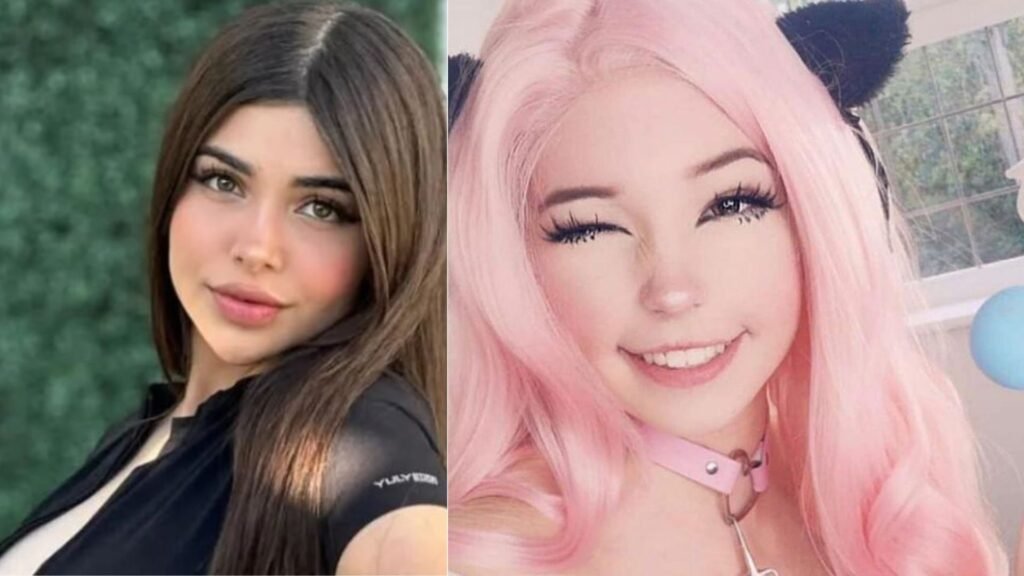
The beauty world constantly evolves with new trends, aesthetics, and viral sensations that influence how people express themselves online and offline. One of the most talked-about concepts gaining attention across social media platforms and beauty communities is candy love face. This playful yet glamorous beauty aesthetic combines soft makeup, glowing skin, vibrant colors, youthful charm, and romantic visual elements to create an appearance that feels sweet, dreamy, and camera-ready.
Unlike traditional beauty styles that focus heavily on dramatic contouring or bold transformations, this trend emphasizes softness, freshness, and emotional appeal. The candy-inspired look often includes glossy lips, rosy cheeks, pastel tones, radiant skin, and expressive eye makeup that gives the face a youthful and delicate appearance. Influencers, makeup artists, and beauty enthusiasts continue embracing the style because it blends creativity with elegance in a visually captivating way.
The rise of social media platforms such as TikTok, Instagram, and Pinterest played a major role in making this aesthetic increasingly popular. Viral makeup tutorials, beauty transformations, and skincare routines helped introduce the candy-inspired look to millions of users around the world. Audiences became attracted to the cheerful and visually comforting vibe associated with the trend, especially during times when online self-expression became more important than ever.
The growing popularity of candy love face reflects larger cultural changes within modern beauty standards. People are increasingly embracing individuality, playful creativity, and emotionally expressive makeup styles instead of rigid cosmetic rules. This beauty trend combines nostalgia, romance, and modern digital aesthetics into one visually appealing concept that continues influencing fashion, photography, and online culture.
Understanding the Meaning Behind Candy Love Face
The phrase candy love face represents more than a simple makeup style. It describes an entire visual mood centered around sweetness, charm, softness, and romantic energy. The word “candy” symbolizes bright colors, sugary aesthetics, and playful innocence, while “love face” emphasizes emotional warmth, beauty, and expressive femininity. Together, the phrase creates an image associated with youthful glow and dreamy attractiveness.
This aesthetic often draws inspiration from anime culture, Korean beauty trends, vintage romantic styles, and social media filters that enhance skin radiance and facial softness. Many beauty creators use glossy textures, pastel shades, and heart-shaped details to strengthen the candy-inspired visual identity. The result feels lighthearted and visually comforting rather than harsh or overly dramatic.
Another important aspect of this trend involves emotional presentation. Unlike makeup styles focused purely on technical perfection, the candy-inspired look aims to create a feeling of joy, affection, and playful confidence. Soft blush placement, shimmering eye makeup, and glossy lips contribute to a face that appears warm, approachable, and photogenic.
The rise of candy love face also highlights how beauty trends are increasingly shaped by internet culture and digital aesthetics. Social media users seek styles that perform well visually in photographs and videos while also expressing personality and mood. This trend successfully combines beauty artistry with emotional storytelling, making it highly appealing among younger audiences online.
The Influence of Social Media on the Trend
Social media transformed beauty culture dramatically over the past decade, and candy love face became popular largely because of digital platforms. TikTok, Instagram, YouTube, and Pinterest allow beauty influencers to share tutorials, product recommendations, and aesthetic transformations instantly with global audiences. These platforms helped the trend spread rapidly across different countries and age groups.
Short-form video content especially contributed to the trend’s popularity. Makeup creators began posting fast-paced transformation videos showing before-and-after looks using pastel blushes, glossy lips, glitter accents, and glowing skin products. Millions of viewers became fascinated by how soft and visually appealing the final results appeared on camera.
Filters and editing tools also influenced the aesthetic. Many beauty filters emphasize smooth skin, rosy cheeks, enlarged eyes, and soft lighting effects that align closely with the candy-inspired appearance. As users became accustomed to seeing these visuals online, makeup artists adapted real-life techniques to recreate similar effects without relying entirely on digital editing.
The hashtag culture of social media further accelerated interest in candy love face. Viral trends, beauty challenges, and aesthetic communities created spaces where users could share their own interpretations of the look. This collective creativity helped the style evolve continuously while keeping it fresh and exciting within fast-moving online beauty culture.
Makeup Techniques That Define the Aesthetic
The makeup techniques associated with candy love face focus heavily on softness, glow, and youthful vibrancy. Skin preparation is one of the most important steps because the aesthetic depends on healthy-looking and radiant skin. Hydrating skincare products, lightweight foundations, and luminous primers are commonly used to create a naturally glowing complexion.
Blush placement plays a major role in shaping the final appearance. Instead of applying blush only to the cheeks, many beauty creators extend rosy tones across the nose bridge and under-eye areas to create a flushed and innocent effect. Pink, peach, and coral shades are especially popular because they contribute to the candy-inspired color palette.
Eye makeup within this trend usually emphasizes sparkle and softness rather than heavy dramatic lines. Glitter shadows, pastel eyeliners, soft lashes, and subtle shimmer create a dreamy appearance that photographs beautifully under bright lighting. Some creators also add tiny heart designs or decorative accents near the eyes to strengthen the romantic aesthetic.
Glossy lips complete the look by adding freshness and dimension to the face. Lip oils, tinted balms, and shiny glosses are often preferred over matte products because they reflect light and create a softer overall appearance. These combined techniques help define the recognizable visual identity of candy love face within modern beauty culture.
Skincare and the Glow-Focused Beauty Movement
Healthy skin forms the foundation of the candy love face aesthetic, making skincare routines incredibly important for achieving the desired appearance. Unlike older makeup trends that relied heavily on full-coverage foundations and contouring, this style prioritizes natural glow and hydrated skin texture.
Many beauty enthusiasts following this trend adopt skincare routines focused on hydration, brightness, and smoothness. Products containing hyaluronic acid, vitamin C, niacinamide, and lightweight moisturizers are commonly used to improve skin radiance. Sheet masks, facial mists, and dewy serums also became increasingly popular within glow-centered beauty communities.
Korean skincare trends significantly influenced this movement. Concepts such as glass skin and moisture layering align perfectly with the soft and luminous appearance associated with candy-inspired beauty aesthetics. Social media creators frequently combine Korean skincare methods with playful makeup styles to achieve the final polished result.
The emphasis on skincare also reflects changing beauty priorities among younger generations. Many consumers now prefer radiant and healthy-looking skin over heavily concealed makeup appearances. Candy love face embraces this philosophy by blending skincare and cosmetics into one harmonious aesthetic focused on freshness, softness, and youthful energy.
Fashion and Styling Connected to Candy Aesthetics
Fashion plays an important role in completing the overall candy-inspired beauty image. Clothing choices often include pastel colors, soft textures, oversized sweaters, pleated skirts, ribbons, and romantic accessories that complement the makeup style. The goal is to create a visually cohesive appearance where beauty and fashion work together naturally.
Pink remains one of the most dominant colors associated with this trend because it symbolizes sweetness, femininity, and emotional warmth. However, soft lavender, baby blue, peach, cream, and mint green are also frequently incorporated into outfits and accessories connected to the aesthetic.
Jewelry and hairstyles further strengthen the visual identity. Hair bows, pearl clips, glossy curls, and soft bangs are common among beauty influencers embracing the candy-inspired style. Accessories often appear playful and delicate rather than dramatic or edgy, helping maintain the soft romantic atmosphere associated with the trend.
The popularity of candy love face also overlaps with broader aesthetic movements online such as coquette fashion, kawaii culture, and dreamy feminine styling. These interconnected influences create a visually rich environment where makeup, fashion, and photography combine into a complete lifestyle-oriented beauty experience.
The Psychological Appeal of Soft Beauty Trends
One reason soft beauty trends like candy love face resonate strongly with audiences is because they create feelings of comfort, nostalgia, and emotional warmth. Bright yet gentle colors, glowing skin, and playful details evoke positive emotional reactions that contrast with more aggressive or heavily stylized beauty trends.
The aesthetic often reminds people of childhood treats, romantic fantasies, animated characters, and dreamy visual worlds associated with innocence and happiness. During stressful periods in society, comforting aesthetics frequently become more popular because they offer emotional escape and visual positivity.
Soft beauty trends also encourage self-expression without demanding perfection. Many people find this style approachable because it emphasizes glow, creativity, and mood rather than strict beauty standards. Small imperfections often blend naturally into the overall softness of the look, reducing pressure for flawless cosmetic precision.
Another psychological factor involves digital presentation. The candy-inspired aesthetic photographs extremely well under natural lighting and smartphone cameras. Social media users enjoy styles that enhance online appearance while still feeling expressive and personal. Candy love face successfully combines emotional comfort with visually attractive presentation, making it especially powerful within modern internet culture.
Celebrity and Influencer Impact on the Trend
Celebrities and beauty influencers played a major role in popularizing candy-inspired makeup aesthetics across mainstream audiences. Social media stars began showcasing glowing skin, glossy lips, and pastel-toned beauty looks during makeup tutorials, fashion shoots, and lifestyle content, helping the style gain widespread visibility online.
K-pop idols and Korean entertainment culture significantly influenced the rise of soft romantic beauty trends internationally. Many fans admired the luminous skin, delicate blush techniques, and youthful styling seen among performers and actors within Korean media industries. These visual elements blended naturally with the candy-inspired aesthetic becoming popular globally.
Western influencers also adapted the trend by combining it with modern fashion photography and digital beauty culture. TikTok creators especially contributed to its rapid spread through short tutorials demonstrating easy transformations using affordable products and accessible techniques. Viral makeup videos often generated millions of views, encouraging audiences to recreate the look themselves.
The influence of celebrity culture strengthened the commercial success of products associated with candy love face. Cosmetic brands quickly recognized growing consumer interest and launched blushes, glosses, highlighters, and pastel palettes specifically designed to match the aesthetic’s visual identity.
Photography and Visual Presentation in the Digital Era
Photography plays a critical role in the success of modern beauty aesthetics, and candy love face is especially designed for visual impact in digital spaces. Soft lighting, glowing skin, pastel backgrounds, and romantic editing styles enhance the dreamy appearance associated with the trend.
Many creators carefully plan their environments to complement the aesthetic. Bedrooms decorated with fairy lights, pastel bedding, flowers, and colorful accessories create visually consistent backgrounds for selfies and beauty content. These environments help strengthen the emotional atmosphere connected to the overall style.
Photo editing applications and filters further enhance the aesthetic by smoothing skin, softening colors, and increasing brightness. While some critics argue that excessive editing creates unrealistic beauty standards, supporters view these visual techniques as part of creative artistic expression within internet culture.
The connection between beauty trends and photography highlights how modern cosmetics increasingly function as visual storytelling tools. Candy love face succeeds partly because it creates highly shareable images that attract attention quickly on social media platforms dominated by visual content and short attention spans.
The Role of Self-Expression and Identity
Modern beauty culture increasingly values individuality and emotional expression, and candy love face reflects this cultural shift strongly. Instead of following rigid makeup rules, people use the aesthetic to express softness, creativity, romance, nostalgia, and playful personality traits through visual presentation.
Many users enjoy experimenting with colors, glitter, blush placement, and accessories because the trend encourages creativity rather than perfection. This flexibility allows people to adapt the style according to their own preferences while still maintaining the recognizable candy-inspired atmosphere.
The trend also provides a form of emotional storytelling. Makeup becomes more than cosmetic enhancement and instead acts as a visual language communicating mood, personality, and aesthetic identity. Soft blushes and glossy finishes may express warmth and gentleness, while sparkles and pastel details communicate playful confidence and imagination.
Online communities built around beauty aesthetics further strengthen this sense of identity. Users share tutorials, product recommendations, and supportive comments that create feelings of belonging and inspiration. Candy love face therefore functions not only as a makeup trend but also as a creative social experience shaped by digital interaction and shared artistic interests.
The Future of Candy-Inspired Beauty Trends
Beauty trends constantly evolve, but soft and romantic aesthetics appear likely to remain influential for years to come. Consumers increasingly seek beauty experiences that feel emotionally positive, visually comforting, and creatively expressive rather than harsh or intimidating.
Cosmetic companies continue investing in products designed for glowing skin, pastel makeup looks, and lightweight textures associated with candy-inspired aesthetics. Packaging designs also increasingly reflect playful and nostalgic themes that appeal strongly to younger audiences active on social media platforms.
Technology may further influence the future of these trends through augmented reality filters, virtual beauty testing, and AI-powered makeup recommendations. Digital beauty culture continues blending online presentation with real-world cosmetics in increasingly sophisticated ways.
The enduring popularity of candy love face ultimately reflects broader cultural preferences for softness, emotional warmth, and individuality within modern beauty standards. As internet aesthetics continue shaping fashion and cosmetics globally, candy-inspired beauty trends will likely keep evolving while remaining deeply connected to digital creativity and visual storytelling.
Conclusion
The rise of candy love face demonstrates how modern beauty trends combine creativity, emotion, fashion, and digital culture into immersive visual experiences. This aesthetic goes beyond simple makeup application by creating a complete atmosphere centered around softness, glow, romance, and playful self-expression.
Social media platforms played a major role in transforming the trend into a global phenomenon. Influencers, celebrities, and beauty enthusiasts continuously shared tutorials, fashion inspiration, and skincare routines that helped millions of users embrace the candy-inspired style. The aesthetic’s strong visual appeal made it especially successful within photography-focused digital environments.
The trend also reflects changing beauty values among younger generations. Instead of focusing solely on perfection or dramatic transformations, many people now prioritize individuality, emotional warmth, and healthy-looking skin. Candy love face aligns perfectly with these evolving preferences by encouraging creativity, softness, and expressive beauty presentation.
As beauty culture continues evolving alongside technology and social media, candy-inspired aesthetics will likely remain influential across makeup, fashion, and online identity. Their combination of nostalgia, positivity, and visual charm ensures lasting appeal among audiences seeking beauty styles that feel joyful, imaginative, and emotionally engaging.
FAQs
What is candy love face?
Candy love face is a beauty and makeup aesthetic focused on glowing skin, glossy lips, pastel colors, rosy cheeks, and soft romantic styling inspired by candy-like visuals.
Why is candy love face popular on social media?
The trend photographs beautifully and creates visually appealing content that performs well on platforms like TikTok, Instagram, and Pinterest.
What makeup products are commonly used for this look?
Popular products include glossy lip products, liquid blushes, highlighters, pastel eyeshadows, shimmer makeup, and lightweight skin tints for radiant skin.
Is candy love face inspired by Korean beauty trends?
Yes, Korean beauty trends such as glass skin, soft blush placement, and youthful makeup styles strongly influenced the aesthetic.
Can beginners recreate the candy-inspired makeup look?
Yes, the style is beginner-friendly because it focuses more on softness, glow, and creativity rather than advanced makeup techniques.
What colors are associated with candy love face?
Pink, peach, lavender, baby blue, mint green, and soft pastel shades are commonly connected to the aesthetic.
Does candy love face focus more on skincare or makeup?
Both are important, but skincare plays a major role because glowing and hydrated skin forms the foundation of the overall appearance.
Read More About: dailynwes.blog