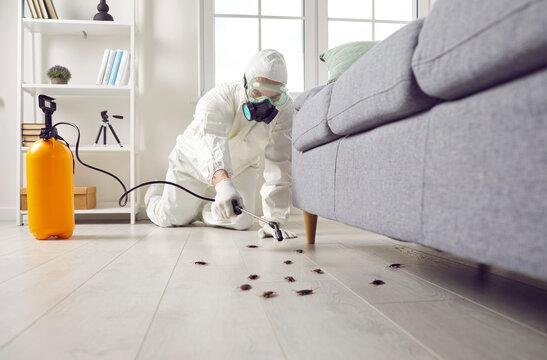

Introduction
Cockroaches are among the most feared and frustrating household pests in the world. They invade kitchens, bathrooms, basements, restaurants, offices, and apartments while spreading bacteria and creating unhealthy living conditions. Homeowners often panic when they spot even a single roach because one visible insect can indicate a much larger hidden infestation behind walls, under appliances, or inside dark corners of the home. This is why cockroach control has become one of the most important topics in modern pest management.
Unlike many pests that appear seasonally, cockroaches can survive year-round in indoor environments where food, moisture, and shelter are easily available. They are highly adaptable creatures capable of hiding in tiny cracks and surviving under harsh conditions. Their resilience makes them difficult to eliminate without a proper strategy. Many people attempt temporary fixes, only to discover that the infestation returns within weeks because the root causes were never addressed.
The fear associated with cockroaches is not only psychological. These insects can contaminate food, trigger allergies, worsen asthma symptoms, and spread harmful bacteria across kitchen surfaces and household items. Their presence often creates emotional stress and embarrassment for homeowners who struggle to control recurring infestations. As a result, effective pest management has become essential for maintaining healthy and comfortable living environments.
Understanding how to eliminate and prevent roaches requires more than simply spraying chemicals. Successful cockroach control involves identifying infestation sources, removing food and water access, sealing entry points, and using targeted treatment methods. By combining prevention, sanitation, and professional techniques, homeowners can regain control over their spaces and reduce the risk of future infestations.
Understanding Why Cockroaches Invade Homes
Cockroaches enter homes primarily in search of survival necessities such as food, moisture, warmth, and shelter. Modern homes provide ideal environments for roaches because kitchens, bathrooms, basements, and utility rooms often contain everything these insects need to thrive. Even small amounts of crumbs, grease, or standing water can attract cockroaches and encourage long-term infestations.
Warm indoor temperatures also make homes particularly attractive during colder months. Cockroaches are highly sensitive to environmental conditions and tend to seek protected indoor areas where they can reproduce safely. Cracks in walls, gaps beneath doors, plumbing openings, and ventilation systems provide easy entry routes into homes and apartment buildings.
Another reason cockroach infestations spread rapidly is because these insects reproduce quickly. A single female cockroach can produce numerous offspring within a relatively short period, allowing small infestations to become major problems if left untreated. Since cockroaches are nocturnal and excellent at hiding, homeowners may not realize the severity of an infestation until populations have already expanded significantly.
Poor sanitation can worsen infestation risks, but even clean homes are not completely immune. Roaches can enter through grocery bags, cardboard boxes, used furniture, or neighboring apartments. This is why cockroach control requires both preventive habits and active treatment strategies designed to eliminate insects before they establish breeding populations indoors.
Common Types of Cockroaches Found in the United States
Several cockroach species are commonly found in American homes and businesses, each with different behaviors and habitat preferences. Understanding the species involved is important because effective treatment methods may vary depending on the type of infestation. The German cockroach is one of the most common indoor species and is especially notorious for rapid reproduction.
German cockroaches are small, light brown insects frequently found in kitchens and bathrooms where food and moisture are available. They reproduce quickly and often hide behind appliances, inside cabinets, and near plumbing fixtures. Because of their ability to multiply rapidly, they are considered one of the most difficult household pests to eliminate completely.
American cockroaches are larger and darker than German cockroaches and are often associated with basements, sewers, drains, and commercial buildings. Although they can survive outdoors, they frequently enter homes searching for water and shelter. Their large size often causes alarm among homeowners who discover them unexpectedly.
Other species commonly found in the United States include Oriental cockroaches and brown-banded cockroaches. Each species behaves differently and prefers specific environments within homes or buildings. Proper identification plays an important role in successful cockroach control because treatment methods must target the habits and hiding places of the specific roach population involved.
Health Risks Associated With Cockroach Infestations
Cockroaches are more than unpleasant household pests. They can pose serious health risks to humans by spreading bacteria, contaminating food, and triggering allergic reactions. Roaches crawl through garbage, sewage systems, drains, and dirty surfaces before moving across kitchen counters, dishes, and food storage areas inside homes.
These insects can carry harmful microorganisms associated with food poisoning and gastrointestinal illnesses. Their legs and bodies may spread bacteria such as Salmonella and E. coli onto surfaces where food is prepared or consumed. This contamination risk makes infestations particularly dangerous in homes with children, elderly residents, or individuals with weakened immune systems.
Cockroach droppings, saliva, and shed body parts can also contribute to respiratory problems. Many people experience allergic reactions or asthma symptoms triggered by cockroach allergens circulating in indoor air. Children living in heavily infested environments are especially vulnerable to respiratory complications linked to poor indoor air quality.
The emotional impact of infestations should not be ignored either. Persistent cockroach problems often create stress, anxiety, embarrassment, and sleep disruption for homeowners. People may feel uncomfortable inviting guests into their homes or become constantly worried about contamination. Effective cockroach control therefore improves not only sanitation but also mental comfort and overall quality of life.
Signs of a Cockroach Infestation
Identifying an infestation early is one of the most important steps in successful pest management. Many homeowners first notice cockroaches when they suddenly appear at night in kitchens or bathrooms. Since roaches are nocturnal, daytime sightings often indicate a larger infestation because overcrowded populations force insects out of hiding during daylight hours.
Cockroach droppings are another major warning sign. Small dark droppings resembling coffee grounds or black pepper may appear near cabinets, behind appliances, or inside drawers. Larger cockroach species leave cylindrical droppings that may accumulate in hidden areas where insects gather regularly.
A strong unpleasant odor can also indicate infestation activity. Cockroaches release pheromones and oily secretions that create a musty smell, especially when populations become large. This odor may linger in kitchens, pantries, and enclosed storage areas where roaches nest.
Egg cases known as oothecae provide additional evidence of infestation. These capsule-like structures contain developing eggs and are often hidden in dark cracks or behind furniture. Shed skins, smear marks, and damaged food packaging may also signal roach activity. Recognizing these signs early allows homeowners to begin cockroach control measures before infestations become severe and difficult to manage.
The Importance of Sanitation in Cockroach Prevention
Cleanliness is one of the most powerful tools for preventing cockroach infestations. Roaches depend on access to food and water, so reducing these resources significantly lowers the chances of infestation growth. Kitchens and dining areas should remain free of crumbs, spills, grease buildup, and exposed food containers that attract insects.
Proper food storage is especially important in homes with recurring pest problems. Dry foods should be sealed in airtight containers, while garbage bins must remain tightly covered and emptied regularly. Pet food left overnight can also attract cockroaches, making it important to clean feeding areas daily.
Moisture control is equally essential because cockroaches require water to survive. Leaking pipes, dripping faucets, clogged drains, and standing water create ideal breeding conditions for roaches. Repairing plumbing issues and maintaining dry indoor environments can significantly reduce infestation risks over time.
Clutter removal also contributes to effective pest prevention. Cardboard boxes, paper stacks, and crowded storage spaces provide hiding places where roaches can reproduce undisturbed. Consistent sanitation routines support long-term cockroach control by eliminating the environmental conditions that allow infestations to thrive inside homes and buildings.
Natural Methods for Cockroach Control
Many homeowners prefer natural pest management methods before using chemical treatments. Natural approaches can help reduce small infestations and support preventive efforts while minimizing exposure to harsh pesticides. Although severe infestations may eventually require professional intervention, natural remedies can still play an important role in integrated pest management strategies.
One common natural treatment involves boric acid, which damages cockroach digestive systems when insects walk through treated areas and groom themselves afterward. Small amounts placed near hiding spots, cracks, and appliance edges can help reduce populations gradually. However, boric acid should be used carefully around pets and children.
Diatomaceous earth is another popular natural option. This powder damages the outer exoskeleton of cockroaches, causing dehydration over time. Food-grade diatomaceous earth can be applied around cabinets, baseboards, and entry points where insects travel frequently. Unlike some chemical sprays, it remains effective as long as it stays dry.
Essential oils such as peppermint and tea tree oil are sometimes used as repellents, though they are generally less effective for eliminating large infestations. Maintaining cleanliness, sealing entry points, and reducing moisture remain critical components of natural cockroach control efforts because prevention is often more effective than temporary treatments alone.
Chemical Treatments and Professional Pest Control
Chemical insecticides are commonly used when infestations become severe or difficult to manage through sanitation and natural methods alone. Modern pest control products include sprays, baits, gels, dusts, and insect growth regulators designed to target cockroach populations efficiently while minimizing human exposure.
Cockroach baits are particularly effective because they attract insects to poisoned food sources that roaches carry back to nesting areas. This allows toxins to spread through colonies as insects consume contaminated material or contact infected individuals. Gel baits placed near hiding areas often produce strong results in kitchens and bathrooms.
Insect growth regulators disrupt cockroach reproduction cycles by preventing immature insects from reaching adulthood. These treatments help reduce long-term population growth and improve the effectiveness of broader pest management programs. Combining multiple treatment methods usually produces better results than relying on one approach alone.
Professional exterminators become necessary when infestations spread extensively throughout homes or apartment buildings. Pest control experts understand cockroach behavior, species identification, and treatment placement strategies. Professional cockroach control services also provide ongoing monitoring and prevention recommendations that help reduce future infestations after initial treatments are completed.
Preventing Cockroaches in Apartments and Shared Buildings
Apartment complexes and shared residential buildings present unique challenges for cockroach prevention because infestations can spread between units through plumbing systems, walls, ceilings, and ventilation pathways. Even residents who maintain clean apartments may experience recurring infestations if neighboring units remain untreated.
Communication between tenants, landlords, and property managers becomes essential in these situations. Building-wide treatment plans are often necessary because isolated pest control efforts may fail if roaches continue migrating from untreated areas. Professional extermination programs usually provide the most effective long-term solutions for large residential properties.
Residents can still take important preventive measures individually. Sealing cracks around plumbing pipes, electrical outlets, windows, and doors helps reduce insect movement between units. Food should remain sealed properly, and garbage should be disposed of regularly to avoid attracting pests.
Apartment dwellers should also report signs of infestation immediately rather than waiting for conditions to worsen. Early intervention prevents populations from expanding and spreading further throughout buildings. Consistent sanitation combined with coordinated cockroach control efforts creates healthier living conditions for all residents within shared housing environments.
Seasonal Changes and Cockroach Activity
Cockroach activity often changes throughout the year depending on temperature, humidity, and environmental conditions. During colder months, many cockroach species move indoors seeking warmth and reliable food sources. Homes become especially attractive because indoor heating systems provide stable temperatures suitable for survival and reproduction.
Summer months can also increase infestation risks due to higher humidity levels and increased outdoor insect activity. Cockroaches may enter homes through open doors, windows, garages, and drainage systems while searching for water and shelter. Heavy rainfall sometimes forces sewer-associated species into residential buildings as underground habitats become flooded.
Understanding seasonal behavior helps homeowners strengthen prevention efforts at the right times. Regular inspections before winter and summer seasons allow property owners to identify vulnerabilities such as cracks, leaks, or moisture problems before infestations begin.
Year-round maintenance remains important because indoor cockroach populations can survive continuously once established. Seasonal awareness supports more proactive cockroach control strategies by encouraging homeowners to maintain sanitation, moisture management, and pest monitoring throughout the entire year instead of reacting only after infestations become visible.
Long-Term Strategies for a Roach-Free Home
Eliminating cockroaches permanently requires long-term commitment rather than short-term treatment alone. Many infestations return because homeowners focus only on killing visible insects without addressing the environmental conditions allowing roaches to survive and reproduce indoors.
Integrated pest management offers one of the most effective long-term approaches. This strategy combines sanitation, exclusion, monitoring, moisture reduction, and targeted treatments to create environments where cockroaches struggle to survive. By attacking infestations from multiple angles simultaneously, homeowners can achieve more sustainable results.
Routine inspections are essential for preventing future infestations. Checking behind appliances, beneath sinks, inside cabinets, and around plumbing systems helps identify early warning signs before populations grow significantly. Sticky traps placed in hidden areas can also help monitor activity levels over time.
Education and consistency remain critical components of long-term cockroach control success. Families who understand roach behavior and maintain preventive habits are far more likely to avoid recurring infestations. A combination of cleanliness, structural maintenance, and professional support when necessary creates the strongest defense against future pest problems.
Conclusion
Cockroaches are among the most persistent and challenging household pests, capable of spreading bacteria, triggering allergies, and creating stressful living conditions. Their ability to reproduce rapidly and hide in tiny spaces makes infestations difficult to eliminate without proper planning and consistent effort. Effective cockroach control therefore requires more than temporary sprays or quick fixes.
Understanding why cockroaches invade homes is the first step toward successful prevention and elimination. Access to food, moisture, warmth, and shelter allows infestations to grow rapidly if sanitation and maintenance are neglected. Early detection, cleanliness, and moisture management significantly reduce infestation risks while supporting healthier indoor environments.
Natural remedies, chemical treatments, and professional extermination services each play important roles depending on infestation severity. Combining these approaches through integrated pest management strategies provides the best long-term results for homeowners and businesses alike. Apartment buildings and shared housing environments especially benefit from coordinated treatment efforts and ongoing preventive maintenance.
Ultimately, maintaining a roach-free environment requires awareness, consistency, and proactive habits. By understanding cockroach behavior and implementing effective prevention methods, homeowners can protect their families, improve sanitation, and enjoy greater peace of mind. Long-term cockroach control is achievable when proper strategies are applied consistently and responsibly.
FAQs
What causes cockroach infestations in homes?
Cockroaches enter homes searching for food, water, warmth, and shelter. Poor sanitation, moisture problems, and structural gaps can increase infestation risks.
Are cockroaches dangerous to human health?
Yes, cockroaches can spread bacteria, contaminate food, trigger allergies, and worsen asthma symptoms through droppings and shed body parts.
What is the best method for cockroach control?
The best approach combines sanitation, moisture reduction, sealing entry points, and targeted treatments such as baits or professional pest control services.
Can cockroaches survive in clean homes?
Yes, even clean homes can experience infestations because roaches may enter through drains, grocery bags, cardboard boxes, or neighboring apartments.
How quickly do cockroaches reproduce?
Cockroaches reproduce rapidly. Some species can produce hundreds of offspring within a few months if conditions remain favorable indoors.
Do natural remedies work against cockroaches?
Natural methods like boric acid and diatomaceous earth can help reduce infestations, especially when combined with sanitation and preventive measures.
When should I call a professional exterminator?
Professional pest control is recommended when infestations become widespread, recurring, or difficult to eliminate using basic household treatments alone.
Read More About: dailynwes.blog